If you asked me where to start with indie folk, I’d ask what makes you lean in. A room full of voices? A guitar that sounds like it was played three feet away? A song that takes five minutes to tell you one thing? Here are ten artists I’d start with, grouped by what you might want to hear next.
Listen to the Spotify playlist
If you’re building a listening queue for 2026 or 2027, put an early record next to something that came later. Start with “Holocene” and the 2026 anniversary edition of 22, A Million to hear how much range one artist can cover.
For harmony and a sense of scale
Fleet Foxes
Start with “Helplessness Blues”. The harmony pulls you in first and the lyric makes you stay. The Sub Pop album page is a good next stop if you want that same sound spread out over a whole record.

Bon Iver
Play “Holocene” for the way a guitar figure changes size as the other parts arrive. If you’ve only heard the early records, the later SABLE, fABLE makes a good second listen. You can hear how far Vernon can travel from a close, solitary vocal.

Of Monsters and Men
Try “Dirty Paws”. You’re in the middle of a strange story almost as soon as it begins, and the drums and shared vocals make you want to follow it even before you know who everyone is.
For a voice and a guitar up close
Iron & Wine
Begin with “Naked as We Came”. There’s such a small amount of sound to it that every word has weight. Hear the rest on Our Endless Numbered Days.
Sufjan Stevens
Hear “Should Have Known Better” on Carrie & Lowell for the way the second half shifts the light. The anniversary edition gives you another way into the record if you already know the original.
The Tallest Man on Earth
Try “Love Is All” if you like hearing fingers move across the strings. The voice has a rough edge and the playing is precise. Together they make the song feel like somebody working an idea out in real time.
Gregory Alan Isakov
Start with “The Stable Song”. I’d listen to the sparse album take first, then the Colorado Symphony recording. You can hear how much of the feeling survives a completely different arrangement.
For a big story or a sound that lingers
The Decemberists
Try “The Crane Wife 3” if you like a song that gives you a whole story to walk into. Its gentle insistence gives the tale as much movement as the details in the words.
Mumford & Sons
“The Cave” is a good place to hear how fast a quiet opening can gather momentum. Listen to the banjo and voices separately, then hear how they make the chorus feel communal.
Novo Amor
“Anchor” is a close, patient recording. It rewards a listen on headphones. If that’s the sound you want more of, the artist’s discography gives you a route from the early songs into the later albums.
Where my songs fit
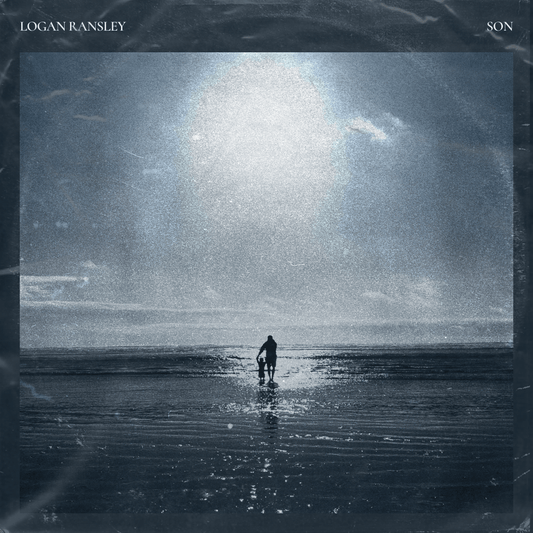
Son — Logan Ransley
I wrote Son about a mother and child who are struggling to reach each other. If what you like here is a voice that leaves room around the words, that’s the song of mine I’d start you on.

Choose an album by the thing you want to hear
If someone sends me a long list of indie folk records, I often pick the first one based on the sound I want in the room. For Fleet Foxes I usually make enough time to hear what happens when voices get layered together. For Iron & Wine I want a little quiet before I start, so that I don’t miss the edge of the voice. People use the same genre name for both because you can hear how songs are built from voices and acoustic instruments. Those two little listening tests do a better job of helping you decide where to go first.
It’s also worth noticing what a song does when it leaves home. If you come in through Bon Iver’s early material, you can hear the singer trust the guitar to keep him company for a long time. At a different point in the catalogue, he can place an intimate thing to sing inside sound that takes longer to recognise. The two approaches make useful companions. I’d listen to the titles linked above in the order that feels least familiar to you, then come back to the quiet part of “Holocene” for a sound your ear knows. You’ll have more to listen to when the rest of the arrangement arrives.
Where to go when you’re used to hearing one track at a time
A full album is good company when the song that brought you there has a long build. With Gregory Alan Isakov, you can usually find a way to hear what the guitar does before something around it starts to change. “The Stable Song” has a good orchestral counterpart if you want to hear that feeling open out. Keep the first version nearby so you can hear what the larger one is working with. For The Decemberists, I’d do it the other way around and give the big story the time it asks for first. Later one scene or guitar figure might be the thing that keeps coming back from it.
A playlist can do something different from a record. Follow a song by The Tallest Man on Earth with one by Of Monsters and Men and listen to what a whole band can take over from a singer. The smaller recording has made you attentive enough to hear that change. Then choose whether you want to stay in that bigger sound or go back to something with just a few people in it. I like making a queue of four or five songs this way. It leaves room to remember what you were listening for before the sound changed.
Voices that make a room sound larger or smaller
When I put on Sufjan Stevens or Novo Amor, I’m often looking for a recording where the vocal feels as if it could stay close even if I move. In one, I listen for the pace of the words against the guitar. In the other, I’ll often be following the rise around the voice before I’ve got all the words. It’s worth finding ten minutes to hear both approaches and see which thing you’d most like to follow into a different record. If it’s the words, go back to a songwriter whose stories you already recognise. If it’s the sound around the voice, Roslyn gives you two voices to find your way through.
There are also times I want to hear the people in a chorus sound as if they’ve all arrived in the same place. Fleet Foxes and Mumford & Sons can both do that work, and the movement that gets you there can feel remarkably different. Start by counting how long it takes you to feel as if another person could join in. That’s a useful measure for a listening queue if you want the music to give a room a little more room rather than close your attention in around a lyric.
Try it with music you’re making or sharing
If you’re picking three songs to send to somebody, I’d choose one for the sound they’ve asked for and one or two for what you think will surprise them. I do about the same thing with my own music. “Son” came from a relationship I wanted to let you hear through two people’s voices. I still listen to it beside songs that give a single singer enough space to hold a whole room. The approach gives me some idea of when another instrument would help a story settle and when it’s better to hear the last note finish. That’s the reason I’d go back to these albums after finding a first track I like. You start to hear the decisions behind the sound that drew you in.
What to listen to next
To explore where folk meets country, blues and a fuller band sound, start with my guide to Americana music. It includes Jason Isbell, Brandi Carlile, John Prine and a recording of my own, “Expectation”.