For songs about the ocean, I’d start with Otis Redding’s “(Sittin’ On) the Dock of the Bay” if you want the stillness of watching the water, Jack Johnson’s “Only the Ocean” for a gentle acoustic listen, and Novo Amor’s “Birthplace” if you want the sound and film to take you further out. My own “Ocean” belongs here too. I wrote it around a conversation about faith with my dad, with the water giving that conversation somewhere to happen.
The sea does different things in songs. It can be a place someone goes to think, an image for the distance between people, or a world worth paying attention to on its own. I’ve chosen eight recordings that let you hear those uses side by side. The list moves from close acoustic music into a fuller band sound and finishes with a very different kind of journey. Play the individual recordings below as you go.
1. “Only the Ocean” by Jack Johnson
The first thing I notice here is how little strain there is in the sound. The guitar and voice leave enough space that I can imagine a person watching the water without having to turn everything they see into an explanation. It’s a good recording for the start of a walk, especially if you’ve come to the coast with a head full of things that still need doing.
Try listening to the space after a phrase instead of waiting for the next one. The pace gives a thought time to pass without requiring it to be resolved. I’d put this first in a short queue for a quiet morning. It also works well next to a more demanding song, because the sound can help you hear the transition into paying attention. Johnson’s official music catalogue is a place to follow the recording back to the album.
2. “(Sittin’ On) the Dock of the Bay” by Otis Redding
Redding gives the water a very particular place to meet a person. A dock lets you be beside movement without moving very much yourself. That makes the song a good choice when you want to hear someone thinking about where they have ended up. The voice can sound warm and the circumstances can still feel lonely. I like how comfortably those two things share the recording.
Pay attention to the contrast between the physical journey in the story and the time spent sitting once the singer has arrived. An ocean song doesn’t need a boat trip to make the idea of distance vivid. The Otis Redding estate’s account of the song gives you the recording history. I’d read it after a listen and then come back to the sounds around the ending. They leave the scene in your mind when the singer has stopped giving it words.
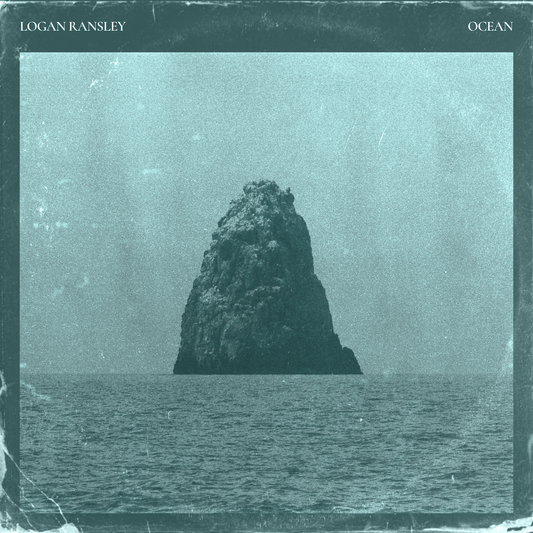
3. “Ocean” by Logan Ransley
In Ocean, the conversation I wanted to have was with my dad. I was trying to tell him about my Christian faith, and the story of Jesus calling the fishermen gave me a picture I could write through. The water is a place to sit together as well as an image with a history behind it. That mattered to the size of the song. I wanted it to feel like something one person could say to someone they loved.
I’d place it after Redding’s track for the change in what being beside somebody can do. In one recording, the scene gives you time to hear a person on their own. In mine, there’s another person there, and the hard part is finding how to begin. Listen for how a simple accompaniment lets a question stay close. If the faith side is what brings you to it, my Christian folk songs guide offers a few more acoustic recordings to hear afterwards.
4. “Anchor” by Novo Amor
“Anchor” is where I’d go when the ocean feels like the distance between two people. The voice seems close enough to hear every hesitation, while the things it describes have much more room to move. That combination is part of what makes the track so absorbing on headphones. You can feel near somebody and still hear the prospect of them drifting out of reach.
The film gives that feeling another story to live inside. The sea becomes something a person might have to return to, with consequences for whoever wants them to stay. I’ve written a closer reading of the song and the selkie imagery in my Anchor guide. Play this one before “Birthplace” if you want to hear two different ways Novo Amor lets a very quiet voice occupy a large natural setting.
5. “Birthplace” by Novo Amor
There’s a reason I’d watch this after listening to the audio. The official film gives the ocean a presence you can’t mistake for background. A freediver moves through an underwater world, and the imagery of plastic asks you to see what people have put there. The filmmakers’ project page explains the environmental context and how the film was made. Novo Amor also places the music in the wider album on the official Birthplace page.
On the recording, follow what happens when the sound opens around the voice. The scale can feel beautiful before you have any particular picture to attach to it. The film gives that beauty something vulnerable to belong to. Try hearing the song once more after the video and notice which parts now make you picture a living place. It’s a useful example of a music video changing what you continue to hear after the images have gone.

6. “This Is the Sea” by The Waterboys
This one brings a much bigger declaration into the list. I’d choose it when you want the image of open water to make a life feel as if it has more room in it. The band sound gives the invitation a force that the quieter recordings leave for you to imagine. Let the song have its full length. The feeling depends on spending some time moving through the arrangement.
Listen for how a repeated image can change as the voice keeps returning to it. The sea begins to feel like a place a person can choose to enter, with a whole different scale from the things they have been occupied by. That makes it a good companion to songs about new beginnings. I’d put it near the end of a walk rather than at the first quiet sight of the water.
7. “The Ocean” by Led Zeppelin
A sea-themed list can use a little change of weather. This is the one I’d put on when I wanted a room to have more energy. Follow the riff and the places where the band changes direction together. It offers a different listening pleasure from waiting for a voice to finish a private thought. The players make the motion itself something to enjoy.
I wouldn’t choose it for the same scene as Jack Johnson’s song. Try it in the middle of a longer queue, when the gentle pace has done what you wanted it to do and you’re ready to move. A title can give two songs a place beside one another while the recordings take your attention in very different directions. It’s worth leaving room for that in a playlist about a landscape as changeable as the ocean.
8. “Orinoco Flow” by Enya
The final track is for the idea of setting off. The voice and layers of sound can make the room feel wider before you’ve worked out where the journey is going. I like putting it after a more physical band performance. It changes the sort of movement you’re listening to and gives the queue somewhere else to travel.
This is also one I’d keep in mind if you’re choosing music for images of coastlines or boats. Let a shot stay long enough that the viewer can find the movement within it. A layered recording can do some of the changing while the picture remains still. You don’t need a new view every time the music adds a part.
A quieter three-song ocean playlist
For a close acoustic listen, start with “Only the Ocean”, then my “Ocean”, and finish with “Anchor”. That gives you time beside the water, a conversation with someone there, and a feeling of distance opening up. For a longer journey, add “Birthplace” and “This Is the Sea” after it.
If the shore makes you think about somewhere you’ve left, go next to songs about moving away. If it brings back the people who were with you, try my songs about best friends. A place can hold several kinds of memory. The right next recording is usually the one that gives the part you’ve noticed enough space to come through.